
The Right Blind for the Room It Is Going In
Choosing blinds is less about the product than the room. A west-facing living area catches hard afternoon glare. A bedroom that never warms up has a heat problem instead, and the fabric that solves one will fail at the other. At Right Choice Blinds & Awnings, we make roller blinds in our own Cambridge factory and carry the full Norman range. That lets us match blockout, light-filtering and screening fabrics to how each space in your Hobart home actually gets used. Where warmth is the priority, honeycomb is usually the first thing we raise. If you are weighing blinds up against curtains, we will talk you through both honestly. Call (03) 6218 3666 to book a free measure and quote.
Make Your First Choice The Right Choice
Blind Styles We Supply and Install
We work across the full range of interior blinds, from everyday rollers through to the Norman collection.
Roller blinds
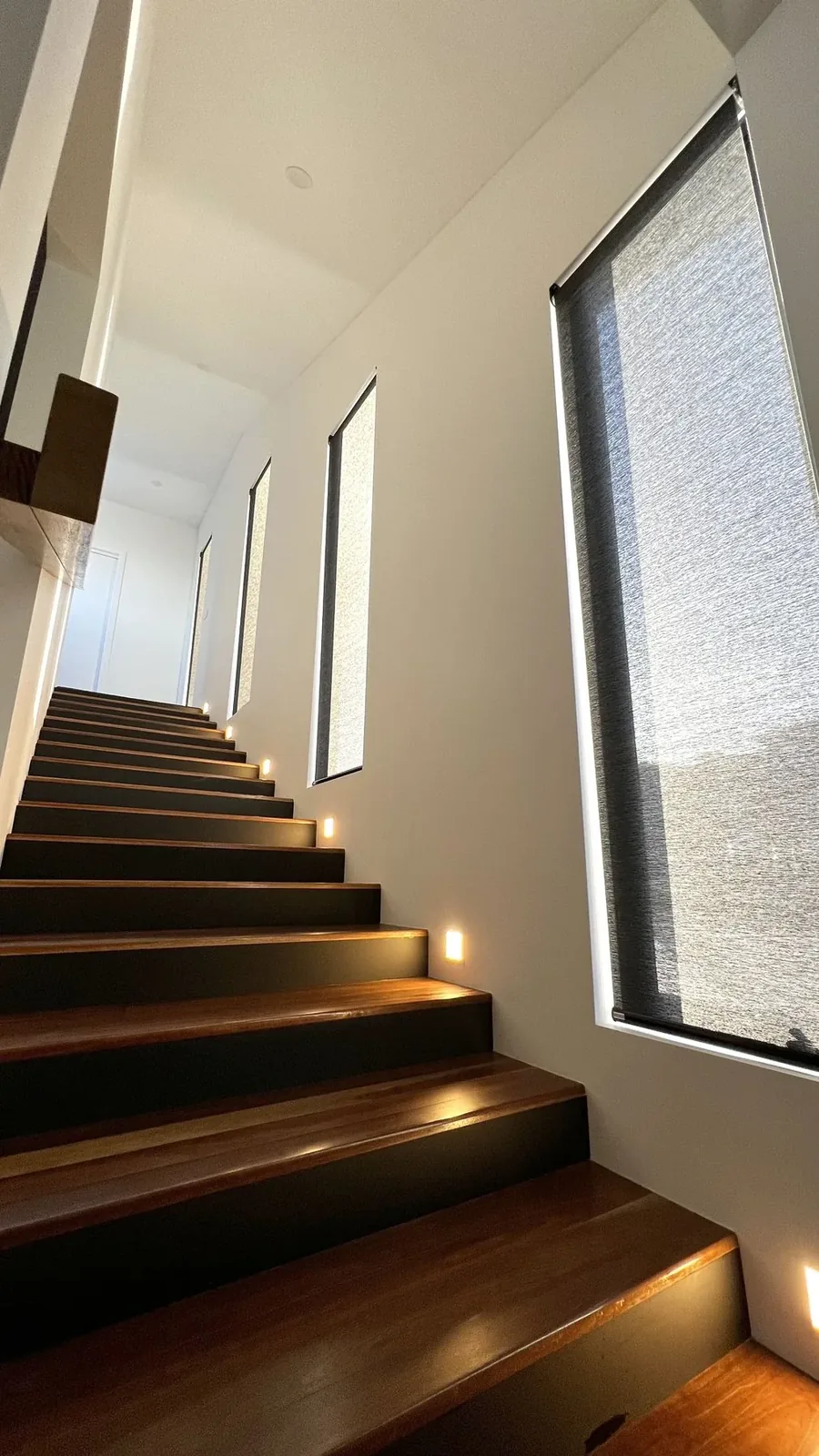
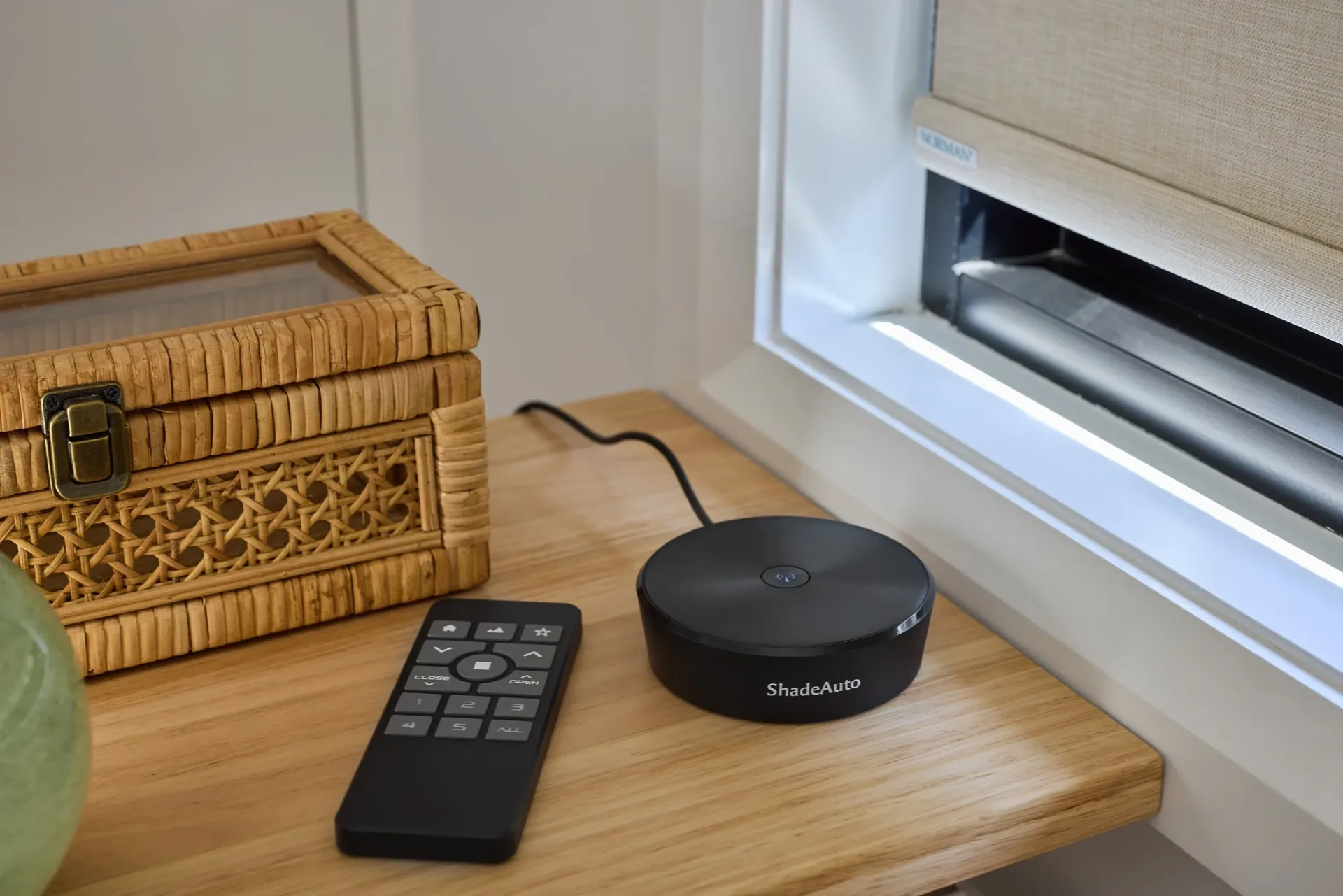
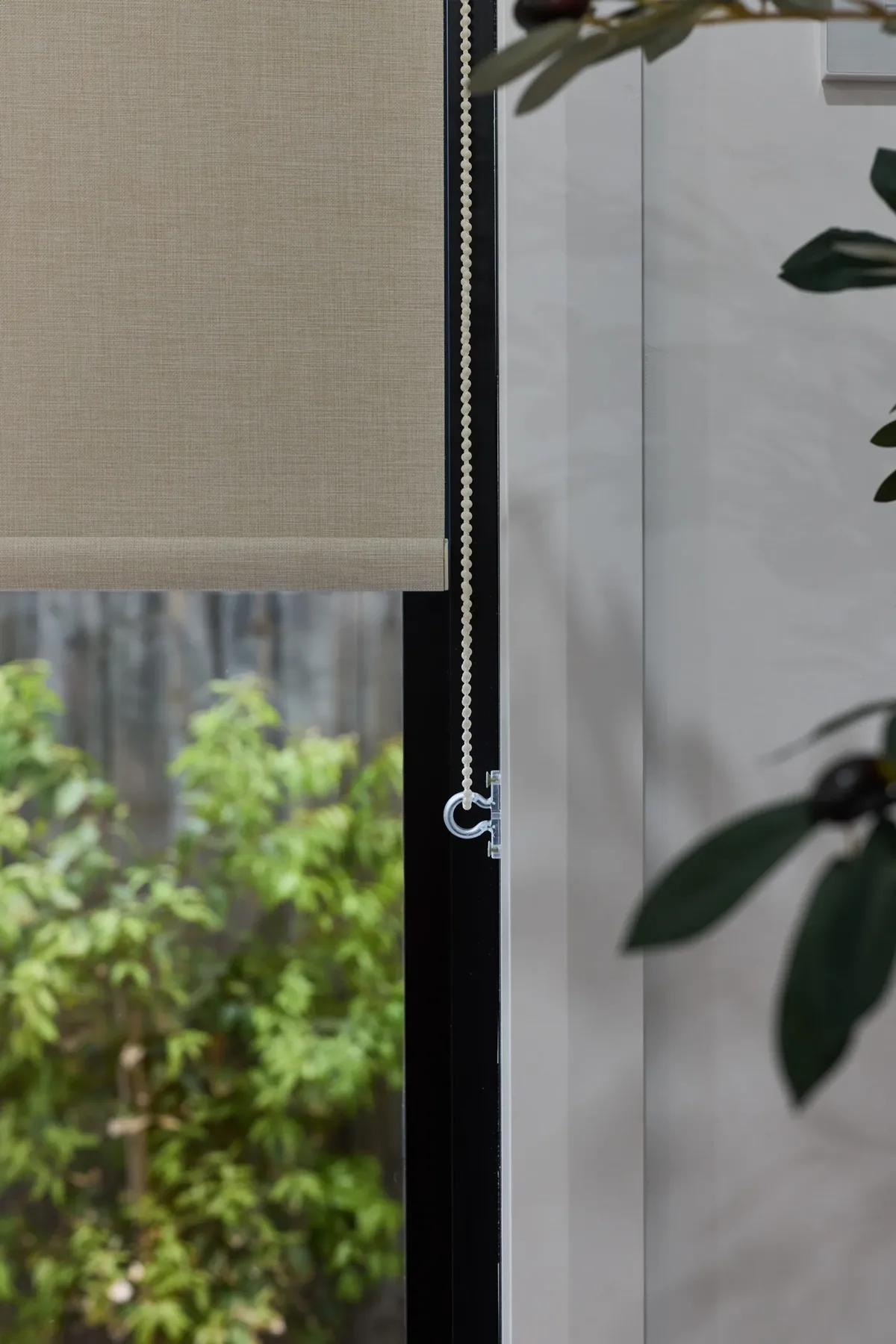
We manufacture these ourselves in single or dual configurations, so one window can carry a screening fabric for daytime privacy and a blockout behind it for night. Cordless, corded and motorised operation are all available, including voice control through a smart home system.
Honeycomb blinds
The cellular structure holds a pocket of still air against the glass, which makes a real difference in older Tasmanian homes with single glazing. A Patio Stacker version handles wide sliding doors without a heavy stack.
Venetian blinds
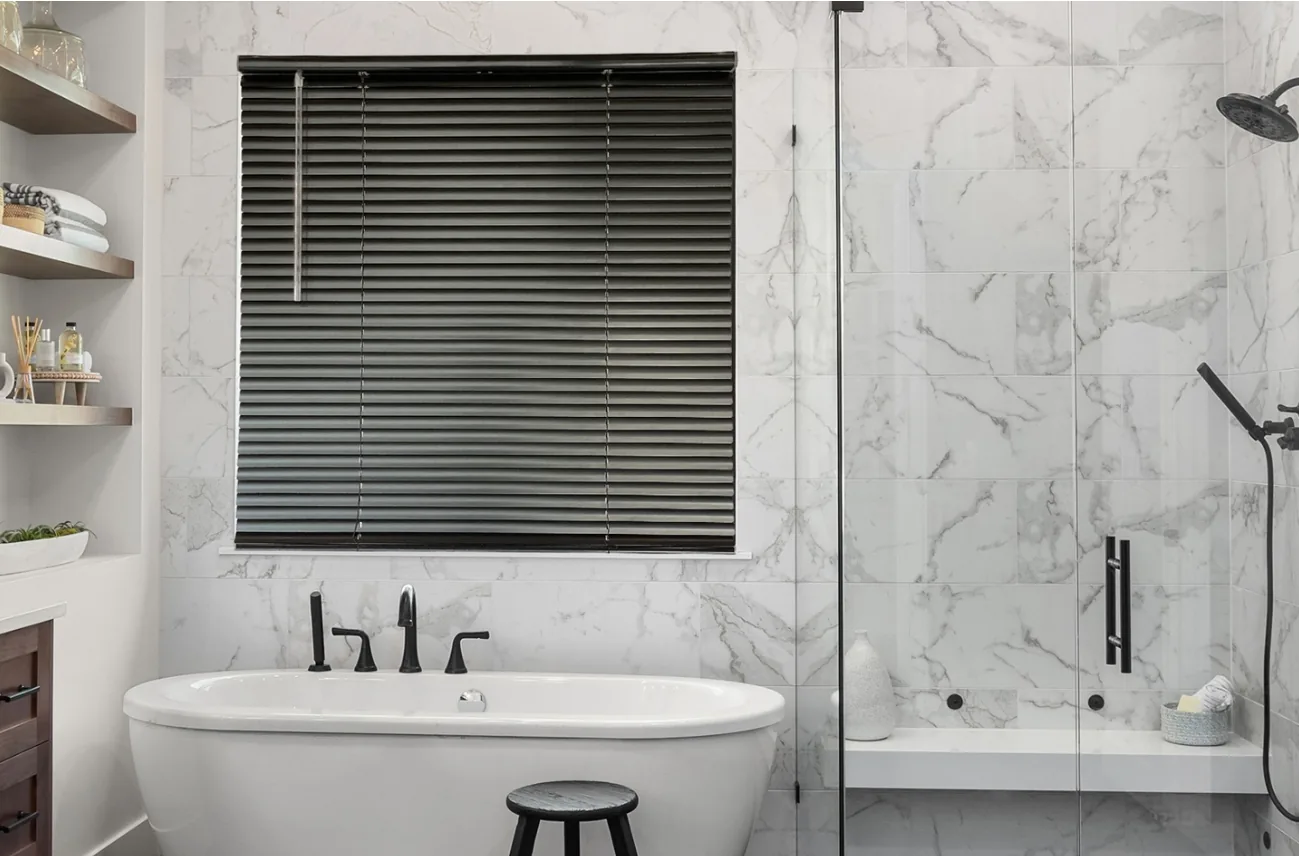
CityLights aluminium venetians come in 25mm and 50mm slats across 33 colours and 12 finishes, while Smart Privacy timber venetians are available in 50mm and 63mm. Both give fine control over light and privacy, and the cordless options remove hanging cords altogether.
Roman and vertical blinds
CentrePiece roman shades bring a softer, fabric-led look in woven, textured and natural finishes, with a dual shade option for day-to-night flexibility. Vertical blinds remain the practical answer across wide expanses of glass, and current versions have done away with the bottom chains.
Frequently Asked Questions
Blockout fabric stops light and helps hold heat in the room, while screening fabric keeps a view out and still gives daytime privacy. Light-filtering fabric sits between the two, and many windows work best as a dual blind pairing a screening fabric with a blockout.
Honeycomb blinds make the biggest difference, because the cellular structure traps a layer of still air against the cold glass. Blockout roller blinds also reduce heat loss, though how closely the blind sits to the frame matters nearly as much as the fabric itself.
Retrofitting a motor works on some blinds, depending on the tube size, the weight of the fabric and the original hardware. Specifying motorisation when the blind is first made generally gives a quieter, tidier result.